
Custom Facials and HydraFacial Treatments Explained
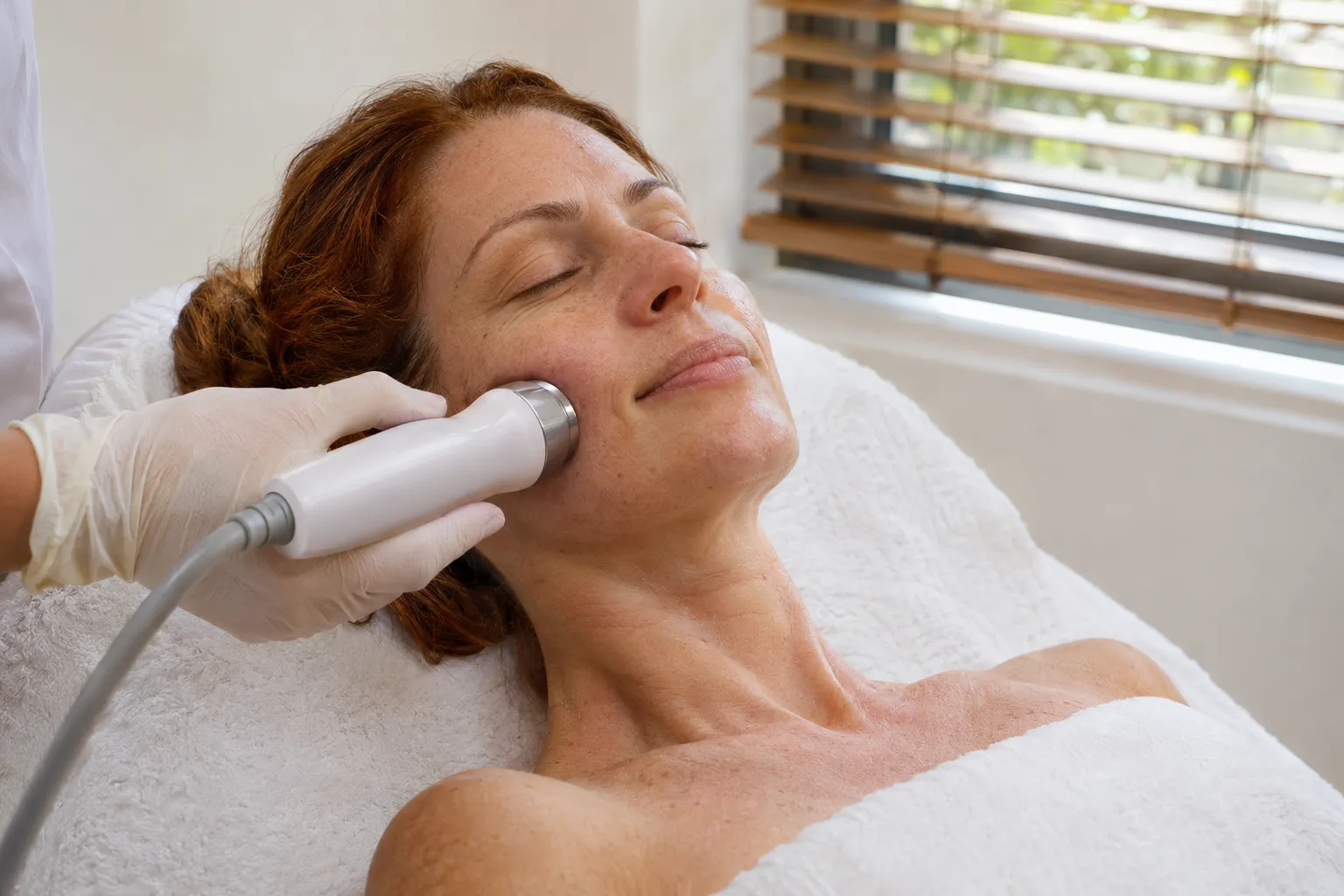
Custom facials and HydraFacial treatments are best understood as a sequence of decisions: first what kind of facial a person is booking, then how it fits a daily routine, then when a treatment belongs in a longer plan.
The first stage: what kind of facial this is
The earliest question is whether a facial is relaxation or a treatment aimed at a skin concern. NCBI PMC publishes a study describing HydraFacial as a procedure that aestheticians can administer and that has no contra-indications. NCBI PMC also publishes the conclusion that HydraFacial treatment is an effective and well tolerated therapy option for patients with acne vulgaris. Other in-clinic options sit nearby. Cleveland Clinic's overview of dermabrasion covers one, and its page on dermalinfusion, the DiamondGlow facial covers another.
The stages a reader moves through
The two guides below follow that sequence in the order a reader would meet the questions.
- Medical-Grade Facials Versus Relaxation Spa Facials answers the first question, which is what separates a clinical facial from a spa one.
- Building a Skin Care Routine Around Your Skin Type answers the next, which is what daily care should look like between visits.
Dermatologist-recommended skin care for your 20s is a useful marker of where the planning begins.
Looking past the single treatment
Some readers will want to see what a stronger option involves before committing to a plan. Cleveland Clinic's skin care services page, which lists chemical peels, is one place to see the range.
When reading should stop
Articles can describe the stages, but they cannot see a person's skin. When a routine is in place and the next question is whether a treatment fits, an in-person assessment with a provider is the sensible next move, and it is worth asking more than one practice in the St. Johns area before deciding.